Free Fall
Motion Under the Influence of Gravity

Freefall
Free Fallin'Tom Petty
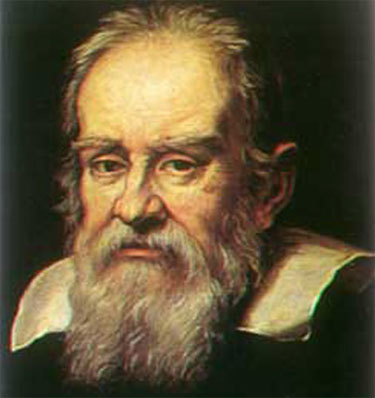
What did Galileo teach the world about falling bodies?
Galileo (1564 - 1642)
Credit: Original portrait by Justus Sustermans painted in 1636.
Questions to Ponder
1. Describe the motion of a falling body.
2. What are the forces affecting the motion of a falling body?
3. In the absence of air friction, how would the acceleration of a large mass compare with the acceleration of a small mass?
Free Fallin'

Video Instruction
showmethephysics.com
I. Motion of objects moving freely under the force of gravity.
Freefall - falling where the only force is gravity
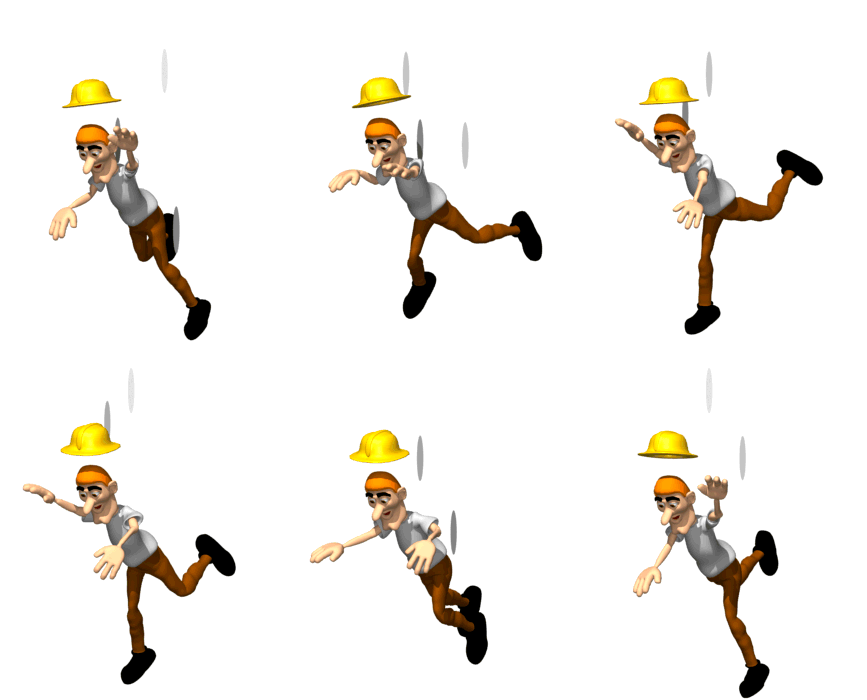
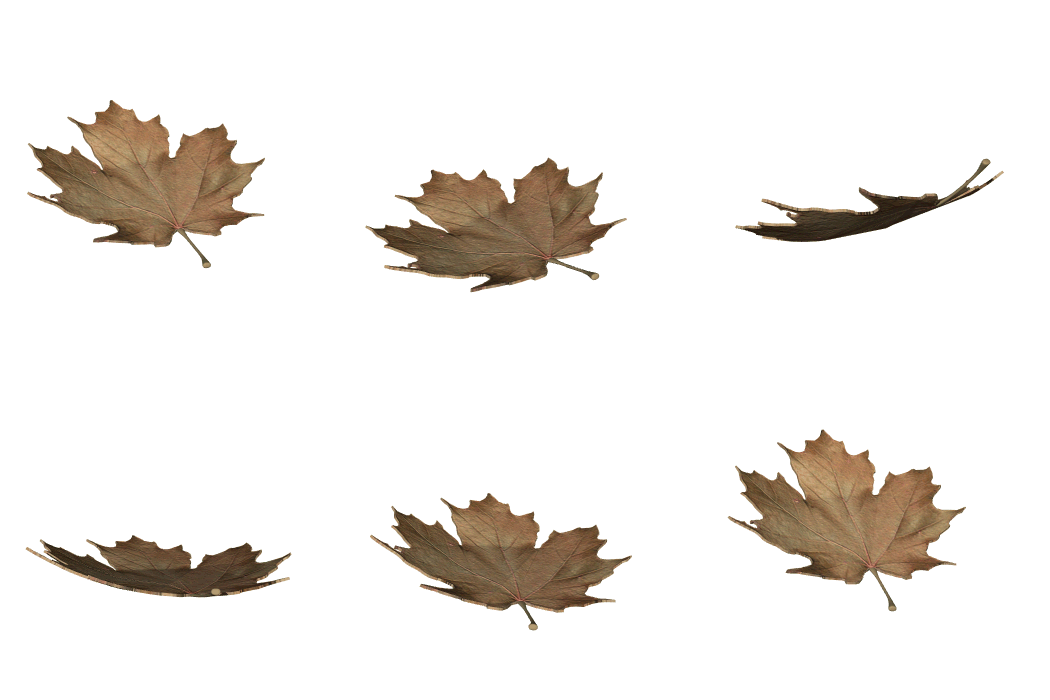
“Do the examples below show freefall?”
Galileo (1564 - 1642)
Credit: Original portrait by Justus Sustermans painted in 1636.
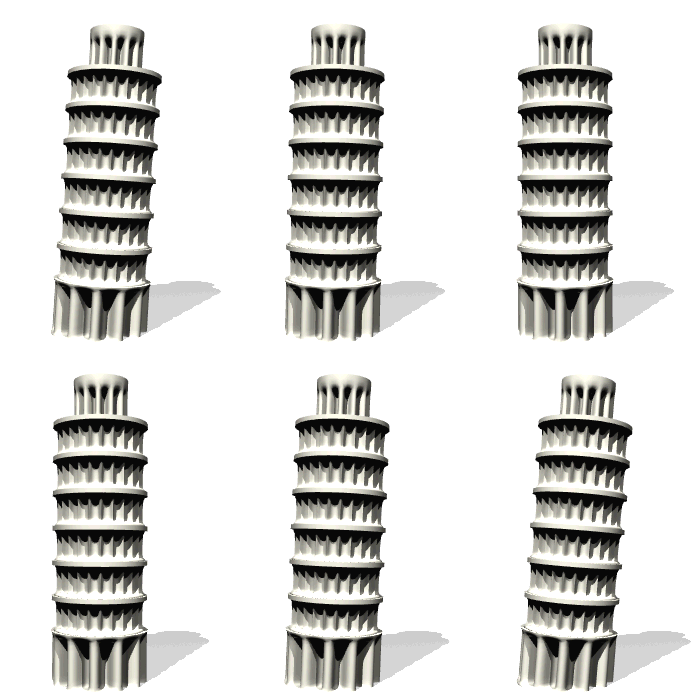
[Flash]
Rutgers U.
Click on the Arrow
Free Fall
D vs. t Plot
Rutgers U.
Distance and Time
Rutgers U.
(Roll your mouse over this)
[Flash]
Show Me The Physics
Gravity/Moon
Feather & Hammer
NASA
showmethphysics.com
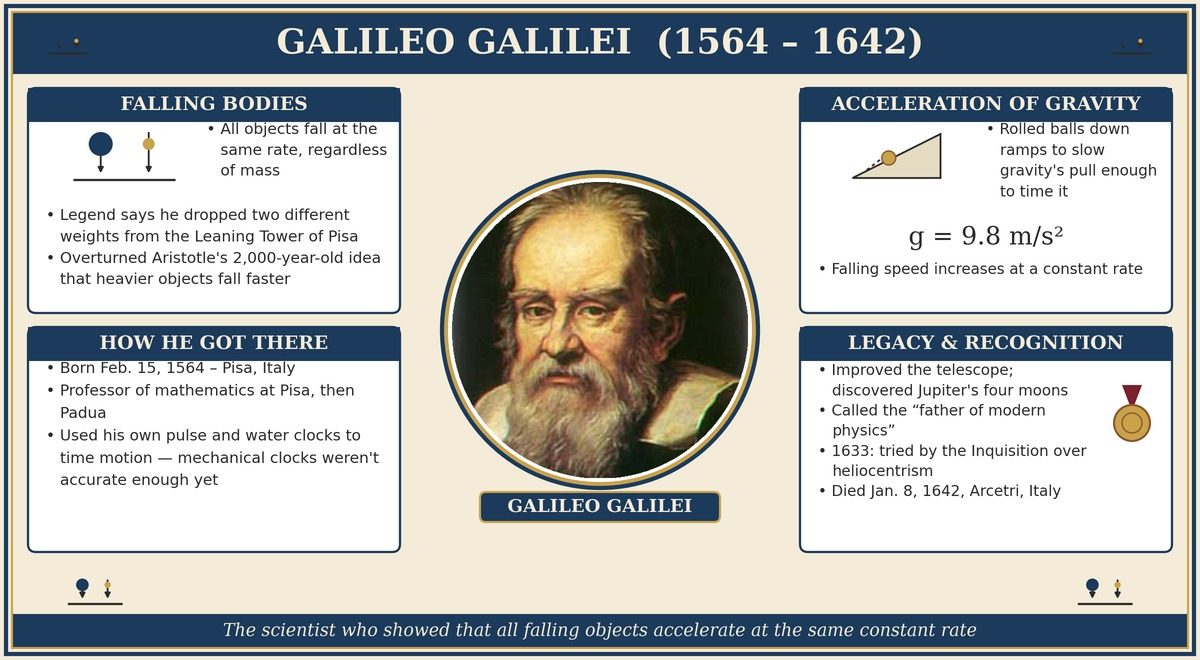
Meet Galileo Galilei — the physicist behind this discovery
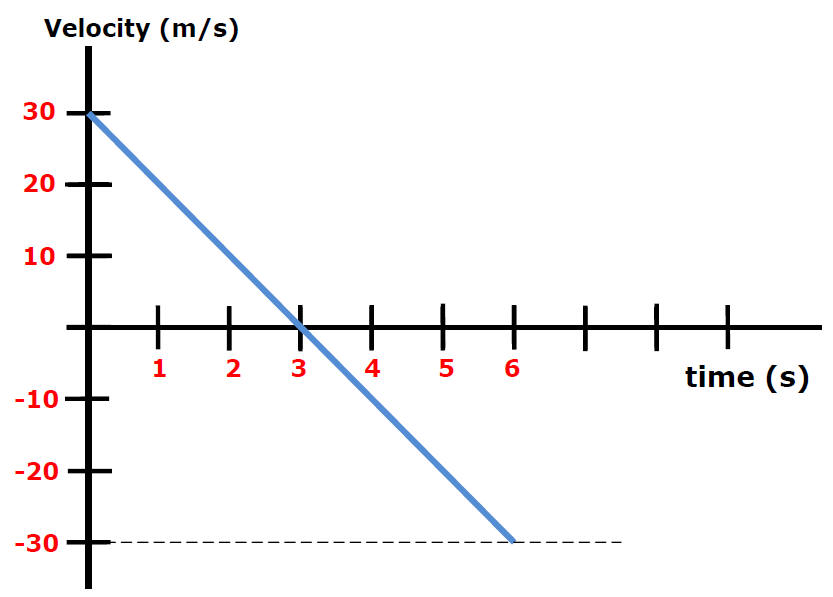
Ex) An Object Thrown Upward at +40 m/s
Show Me The Physics
An object is thrown up at a velocity of 30 m/s.
About how long will it take to hit the ground?
| V (m/s) | Time (sec) |
|---|---|
| 30 | 0 |
| 20 | 1 |
| 10 | 2 |
| 0 | 3 |
| -10 | 4 |
| -20 | 5 |
| -30 | 6 |
A. Motion Diagram for Free Fall
On any planet or moon
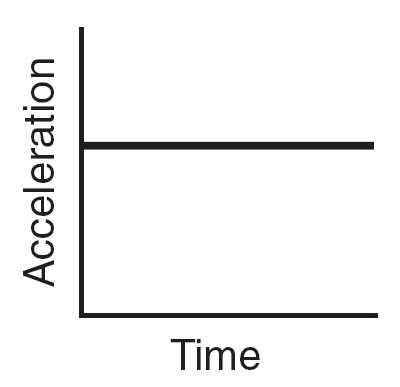
Acceleration due to gravity is CONSTANT near the surface of any planet or moon.
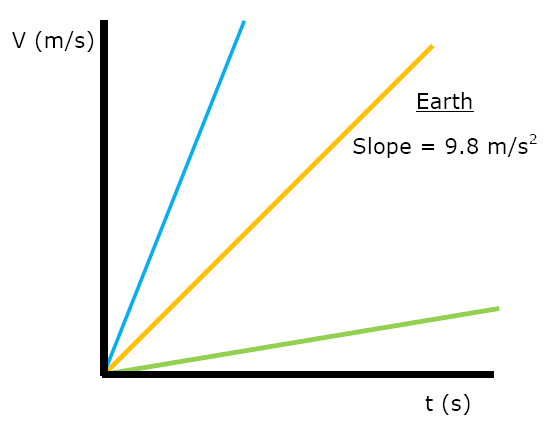
Label the slope pictured above that could be Jupiter? Moon?
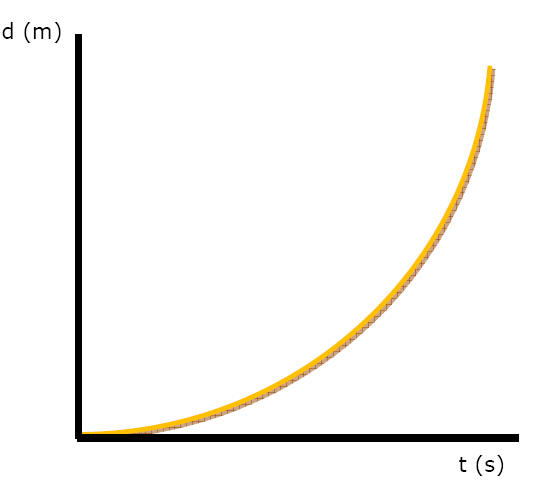
D vs t - Free Fall
A ball is thrown upward.
What's the acceleration due to gravity at the peak?
AP Question
Compare the displacement of an object dropped during its first second with its displacement after 3 seconds.
Δd = Vit + ½aΔt2
Δd = ½aΔt2


NYSSLS Reading Passage · 1D Motion
The Physics of the Plunge: Force, Acceleration, and Terminal Velocity
Open Reading Passage →Check Your Understanding
5 quick questions — pick an answer to see if you’re right.
1. What is freefall?
2. Ignoring air resistance, a heavy ball and a light ball are dropped together. How do their accelerations compare?
3. Using g ≈ −10 m/s², about how long does a ball thrown straight up at 30 m/s take to return to the thrower's hand?
4. A ball is thrown straight upward. What is its acceleration at the very top of its path?
5. An object is dropped from rest. How does its displacement after 3 s compare with its displacement after 1 s?