AP Wave Phenomena
An advanced introduction to wave motion and behavior
|
What do all waves have in common?
| Onsite Version |
I. Introduction to Waves
Speed a) V= fl b) When a wave changes speed, its wavelength changes not its frequency
c) Loudness and brightness is determined by the amplitude of the wave
Wave Speed Rope v = (FT /µ)1/2 µ = mass/Length FT - Tension (N)
Speed depends on medium Sound travels faster in solids, wavelength changes f doesn't v = 340 m/s (Sound)
p. 302) 1,2
Ex) sound, water waves, light, microwaves, heat rays |
|||
2. Waves can be produced in two ways:
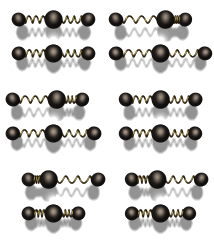
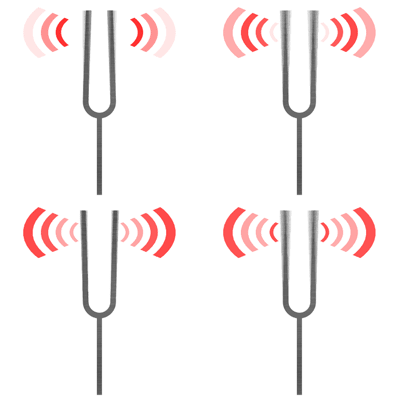
a. Vibration of particles
(requires a medium for transfer) (mechanical wave)

This movie is part of the collection: Prelinger Archives
ex) sound, water wave, spring wave
Splash of
a Water Drop
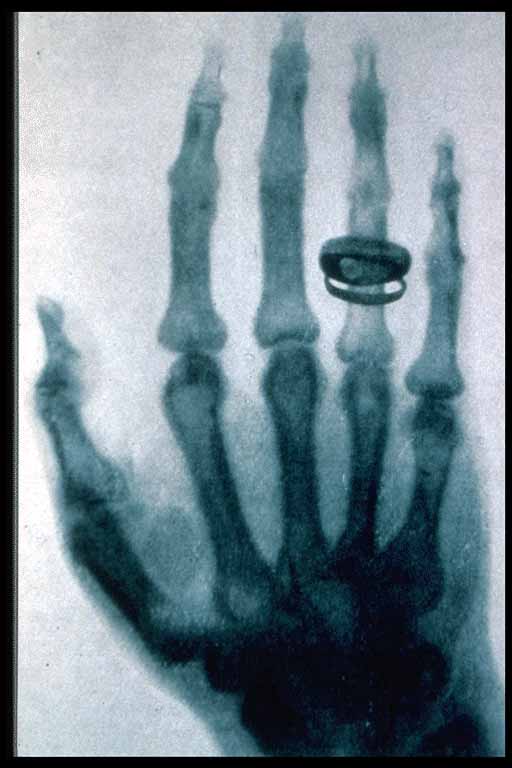
b. Small changes in the strength of an electromagnetic field (requires no medium for transfer)
ex) light, microwaves, x-rays
3d
Electromagnetic Wave
# 1 3d
Electromagnetic Wave
# 2
Radiology Centennial, Inc
How the human ear works - Biswajeet - India
|
|||